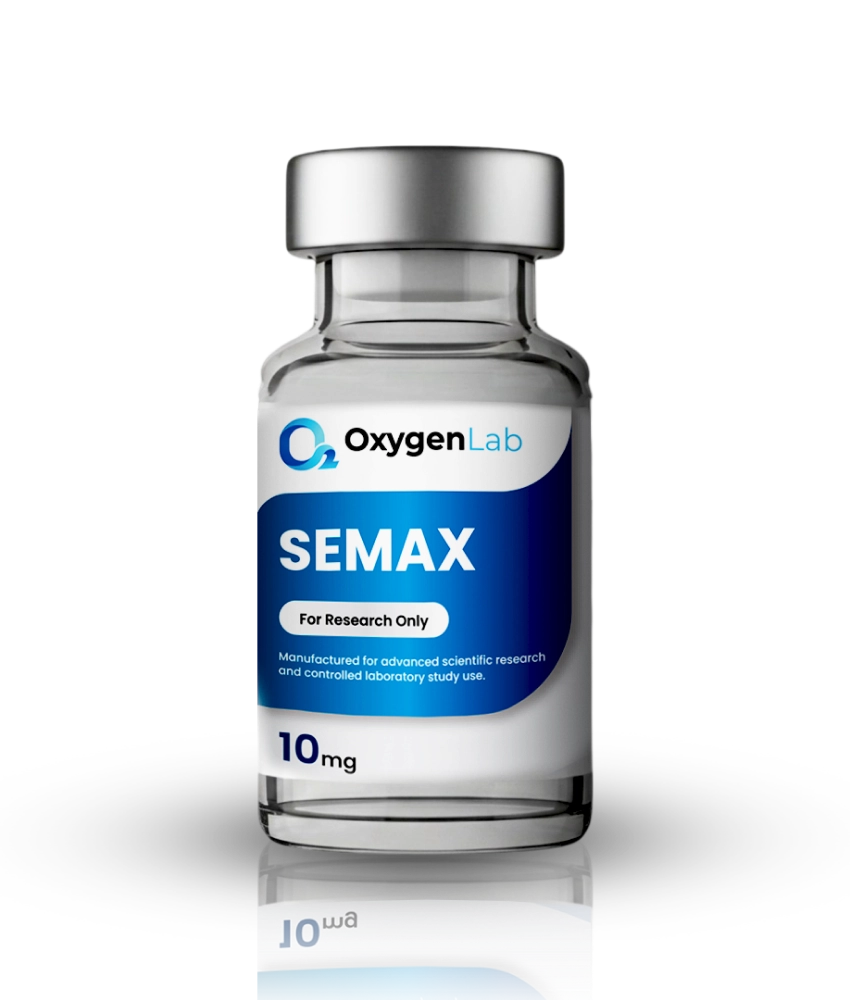
In peptide research, data quality starts before the first experiment. If the material in the vial is not what the label says, or not as pure as assumed, every result built on it is in question. The certificate of analysis (COA) is how a laboratory knows what it is actually working with.
What a COA does for your research
It confirms identity
Mass spectrometry on the COA shows that the molecule in the batch has the expected mass for its sequence. Without that, you are relying on the label alone.
It quantifies purity
HPLC purity tells you how much of the detected material is the target peptide. Impurities such as truncated sequences can interfere with assays, so knowing the level matters for interpreting results. Our guide to HPLC purity explains the number in detail.
It makes results reproducible
Recording the batch number and its COA alongside your data lets you, or anyone repeating the work, trace results back to a specific, characterized material.
It holds the supplier accountable
A published, batch-specific COA from a named laboratory is a verifiable claim. A supplier that cannot provide one is asking you to take quality on trust.
What good COA practice looks like
- Testing by an independent third-party laboratory, not only in-house.
- One COA per batch, with a batch number that matches the vial.
- Both identity (MS) and purity (HPLC) reported, ideally with the chromatogram.
- COAs available before purchase, not only on request after.
For a section-by-section walkthrough, see How to Read a Peptide Certificate of Analysis. To understand how independent labs generate these results, see How Third-Party Peptide Testing Works.
OxygenLab’s approach
OxygenLab products are tested by independent third-party laboratories for identity and purity. Published certificates are on our COA page, and you can ask us about any product without one before ordering.
Frequently asked questions
Is an in-house COA enough?
In-house testing is useful, but independent third-party testing removes the conflict of interest of a supplier grading its own product.
Should I keep the COA with my lab records?
Yes. Store the COA with the batch number and your experimental data so results remain traceable.
Research use only. OxygenLab products are supplied for in-vitro laboratory research and analytical use only. They are not for human or animal use and are not intended to diagnose, treat, cure or prevent any disease. See our Legal & Compliance policy.
Lab tool: Working out solution concentration? Try the free OxygenLab Peptide Calculator — enter vial mass and diluent volume to get mg/mL, µg/mL and molarity.