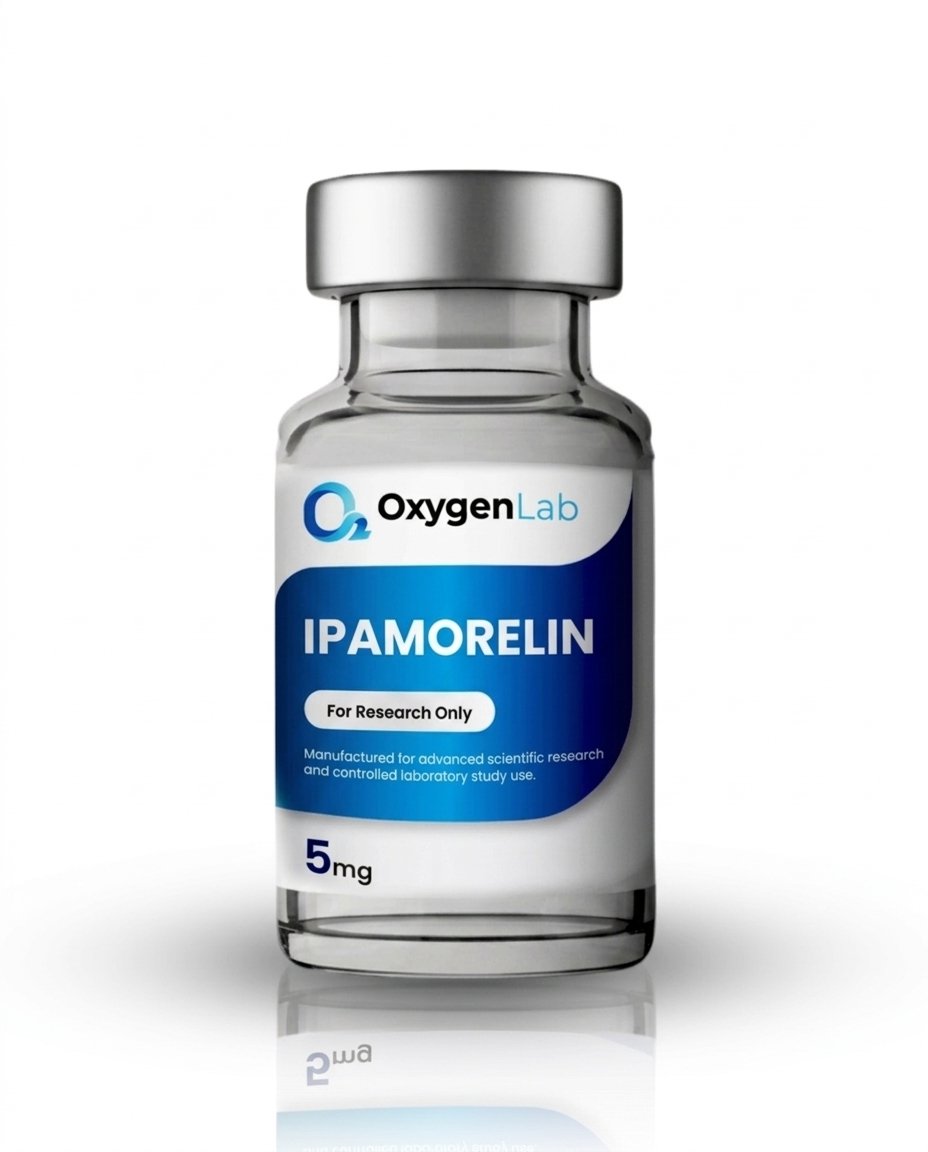
Calculate the concentration of a laboratory peptide solution from the mass of lyophilized material and the volume of diluent. Add a molecular weight to get molarity. For laboratory research use only.
Find the molecular weight on the product page or COA.
CONCENTRATION: Select values
EQUIVALENT: Select values
MOLARITY: Add molecular weight
Convert between the units used on vial labels, COAs and laboratory protocols.
IU (International Units) measure biological activity, so the IU per mg factor is specific to each compound and batch. Use the value stated on the certificate of analysis.
A vial contains 5 mg of lyophilized peptide and 2 mL of diluent is added.
Concentration = 5 mg ÷ 2 mL = 2.5 mg/mL (2,500 µg/mL).
To prepare a 1 mg/mL stock solution from a 10 mg vial:
Volume = 10 mg ÷ 1 mg/mL = 10 mL of diluent.
A 5 mg/mL solution of BPC-157 (molecular weight about 1,419.5 g/mol):
Molarity = 5 g/L ÷ 1,419.5 g/mol = 0.00352 mol/L = 3.52 mM.
To make 100 µL of a 0.5 mg/mL working solution from a 5 mg/mL stock:
V1 = (0.5 mg/mL × 100 µL) ÷ 5 mg/mL = 10 µL of stock + 90 µL of diluent.
Final concentration in mg/mL (µg/mL in brackets) for common vial masses and diluent volumes.
| Peptide mass | 1 mL | 2 mL | 3 mL | 5 mL |
|---|---|---|---|---|
| 2 mg | 2 mg/mL (2,000 µg/mL) | 1 mg/mL (1,000 µg/mL) | 0.67 mg/mL (667 µg/mL) | 0.4 mg/mL (400 µg/mL) |
| 5 mg | 5 mg/mL (5,000 µg/mL) | 2.5 mg/mL (2,500 µg/mL) | 1.67 mg/mL (1,667 µg/mL) | 1 mg/mL (1,000 µg/mL) |
| 10 mg | 10 mg/mL (10,000 µg/mL) | 5 mg/mL (5,000 µg/mL) | 3.33 mg/mL (3,333 µg/mL) | 2 mg/mL (2,000 µg/mL) |
| 20 mg | 20 mg/mL (20,000 µg/mL) | 10 mg/mL (10,000 µg/mL) | 6.67 mg/mL (6,667 µg/mL) | 4 mg/mL (4,000 µg/mL) |
| 50 mg | 50 mg/mL (50,000 µg/mL) | 25 mg/mL (25,000 µg/mL) | 16.67 mg/mL (16,667 µg/mL) | 10 mg/mL (10,000 µg/mL) |
For laboratory research use only. Not for human or veterinary use.
Accurate solution preparation is essential for reproducible laboratory work. This calculator converts the mass of lyophilized peptide and the diluent volume into concentration and, optionally, molarity.
Small errors in solution concentration propagate through every downstream measurement, from assay standards to stability studies. Recording mass, volume and molecular weight for every preparation keeps results reproducible.
Enter the mass of lyophilized peptide in the vial, as stated on the label and the batch COA (for example 5 mg or 10 mg).
Enter the volume of diluent added to the vial in millilitres. Use the solvent specified in your laboratory protocol.
Enter the molecular weight in g/mol, found on the product page or COA, to convert mass concentration into molarity (mM).
The calculator shows the concentration in mg/mL and µg/mL, plus molarity when a molecular weight is provided. Record these values with your batch and lot number.
Verify the peptide mass against the vial label and batch COA before calculating. Allow vials to reach room temperature before opening to limit moisture uptake. Use calibrated pipettes and record every preparation. Store prepared solutions according to your protocol and the compound’s stability data.
Use this table to check concentration at a glance for common vial sizes and diluent volumes. Concentration = peptide mass ÷ diluent volume.
| Peptide mass in vial | 1 mL diluent | 2 mL diluent | 3 mL diluent |
|---|---|---|---|
| 2 mg | 2 mg/mL (2,000 µg/mL) | 1 mg/mL (1,000 µg/mL) | 0.67 mg/mL (667 µg/mL) |
| 5 mg | 5 mg/mL (5,000 µg/mL) | 2.5 mg/mL (2,500 µg/mL) | 1.67 mg/mL (1,667 µg/mL) |
| 10 mg | 10 mg/mL (10,000 µg/mL) | 5 mg/mL (5,000 µg/mL) | 3.33 mg/mL (3,333 µg/mL) |
To dilute a stock solution to a lower working concentration, use the dilution equation C1 × V1 = C2 × V2. For example, to make 10 mL of a 100 µg/mL working solution from a 5 mg/mL (5,000 µg/mL) stock: V1 = (100 µg/mL × 10 mL) ÷ 5,000 µg/mL = 0.2 mL of stock, brought up to 10 mL with 9.8 mL of diluent.
From $50.99
From $80.99
From $80.00
From $140.99
Mass is the total amount of peptide in the vial (for example 10 mg). Concentration is that mass divided by the volume of diluent, expressed as mg/mL.
Divide the peptide mass by the diluent volume. For example: 10 mg ÷ 2 mL = 5 mg/mL, which equals 5,000 µg/mL.
Molarity (mM) = concentration (mg/mL) ÷ molecular weight (g/mol) × 1,000. For example, 5 mg/mL of a 1,419.5 g/mol peptide is about 3.52 mM.
Stability depends on the compound, solvent, pH and temperature. Lyophilized material is generally most stable stored cold and dry; follow your laboratory protocol and any published stability data for the specific compound.
All products sold by OxygenLab are intended for laboratory research use only. Products are NOT for human consumption, animal use, medical use, veterinary use, diagnostic use, or for use in food or cosmetics. No statements on this website have been evaluated by the FDA. OxygenLab products are not intended to diagnose, treat, cure, or prevent any disease.