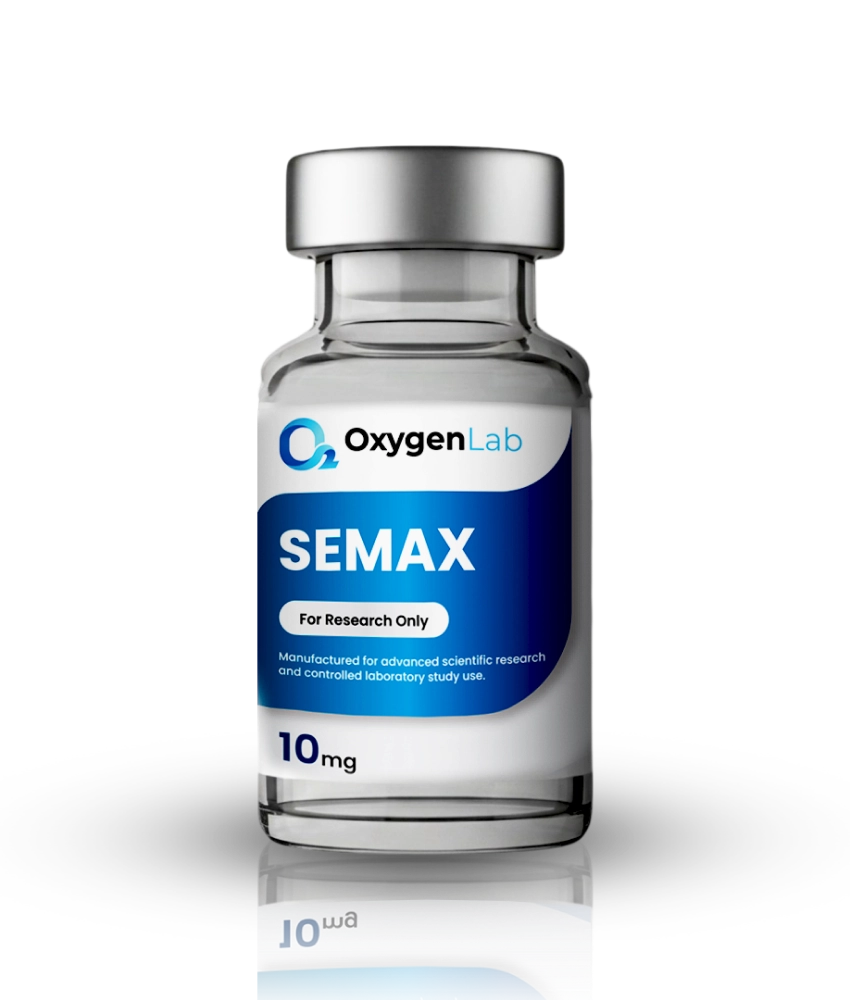

Lyophilization (freeze-drying) makes peptides far more stable than they are in solution, but storage still matters. Moisture, heat, light and repeated temperature changes are the main causes of degradation. These are general laboratory practices; always follow the specific guidance for your compound and protocol.
Long-term storage: freeze
For long-term storage, keep unopened vials of lyophilized peptide at -20°C or colder, in a sealed container, protected from light. Under these conditions most lyophilized peptides remain stable for extended periods.
Short-term storage: refrigerate
For short periods, unopened vials can be kept at 2–8°C. Lyophilized peptides generally tolerate room temperature during shipping, but should be moved to cold storage on arrival.
Protect from moisture
Lyophilized powder readily absorbs water from the air, which accelerates degradation. Before opening a vial that has been in the freezer or fridge, let it reach room temperature in a desiccator or closed container. Opening a cold vial draws condensation onto the powder. Reseal promptly after use.
Protect from light and oxygen
Peptides containing tryptophan, methionine, cysteine or tyrosine are more prone to oxidation. Store vials in their box or an opaque container, and keep exposure to air brief.
Avoid repeated freeze-thaw cycles
If a peptide will be used across several experiments, many labs divide it into single-use aliquots so each portion is thawed only once.
Peptides in solution
Peptides are much less stable once dissolved. Solutions are typically prepared shortly before use, stored cold for short periods per the laboratory protocol, or aliquoted and frozen. Stability in solution varies widely by sequence, solvent and pH. Our solution concentration calculator can help with preparation records.
Labeling and records
Record the compound, batch number, date received, date opened and storage location for every vial. Matching the batch number to its certificate of analysis keeps your data traceable.
Frequently asked questions
Can lyophilized peptides be stored at room temperature?
Briefly, for example during shipping. For storage, cold and dry conditions are recommended.
Why let the vial warm up before opening?
To prevent condensation forming on the cold powder, which introduces moisture.
How do I know a peptide has degraded?
Visible changes such as clumping or discoloration are warning signs, but degradation is best confirmed analytically, for example by HPLC.
Research use only. OxygenLab products are supplied for in-vitro laboratory research and analytical use only. They are not for human or animal use and are not intended to diagnose, treat, cure or prevent any disease. See our Legal & Compliance policy.
Reconstituting a vial? Work out the final solution concentration with our peptide calculator.