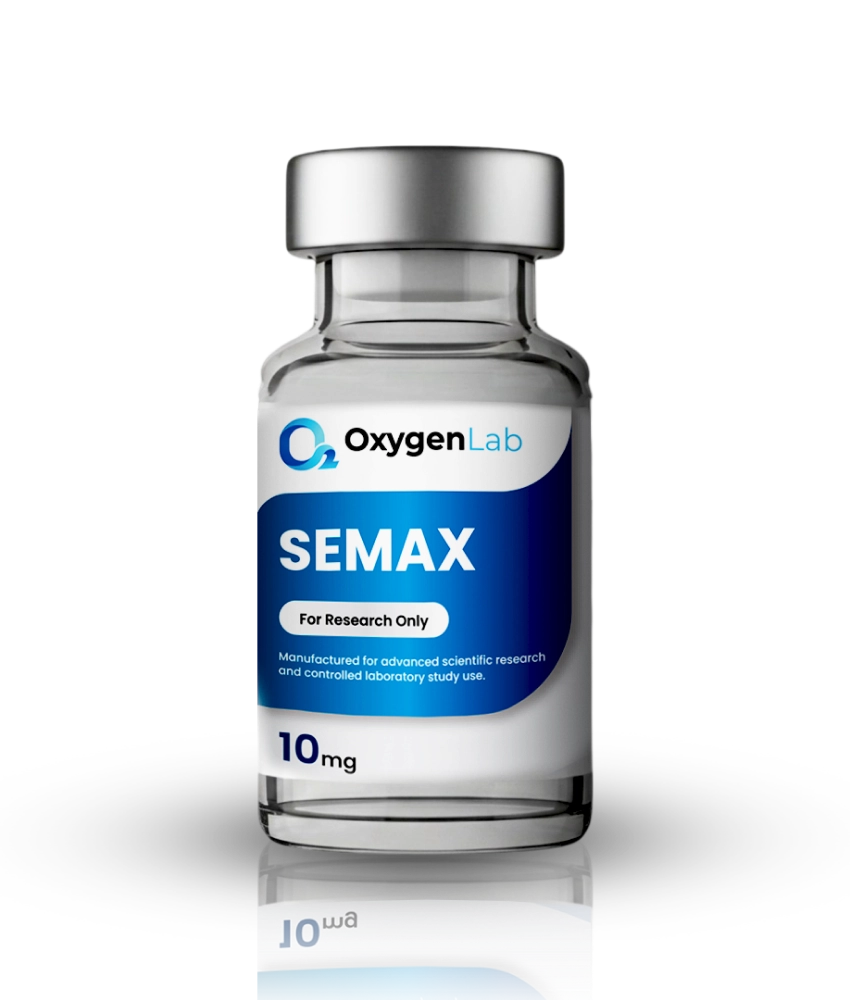

BPC-157 is one of the most widely discussed research peptides. This overview summarizes what it is, where it comes from, how it has been studied, and its regulatory status. It is a scientific summary, not guidance on use.
Structure and origin
BPC-157 is a synthetic pentadecapeptide, a chain of 15 amino acids, with the sequence Gly-Glu-Pro-Pro-Pro-Gly-Lys-Pro-Ala-Asp-Asp-Ala-Gly-Leu-Val. Its name stands for “Body Protection Compound”. The sequence is derived from a larger protein described in human gastric juice. It is supplied for research as a lyophilized powder; specifications for our material are listed on the BPC-157 product page.
How BPC-157 has been studied
Most published work on BPC-157 is preclinical, meaning cell-culture (in vitro) and animal studies. Much of it comes from a small number of research groups. Areas of investigation have included:
- Models of tendon, ligament and muscle tissue in rodents.
- Gastrointestinal tissue models.
- Angiogenesis and blood-vessel signaling in cell and animal models.
- Interactions with signaling pathways such as nitric oxide and growth-factor pathways.
Robust, controlled clinical trials in humans are very limited, and findings from animal models do not establish effects in humans. Researchers can review the primary literature through PubMed.
Regulatory status
- BPC-157 is not approved by the U.S. Food and Drug Administration for any use.
- The FDA has identified BPC-157 as a bulk drug substance that raises potential safety concerns for use in compounding.
- It is on the World Anti-Doping Agency prohibited list.
Laboratories should confirm the current status in their jurisdiction before beginning work.
Quality considerations for researchers
Because results depend on the material used, identity and purity data matter. Check that each batch comes with a certificate of analysis showing mass-spectrometry identity and HPLC purity, and that the batch number matches your vial. OxygenLab publishes its available COAs on the COAs page.
Frequently asked questions
How many amino acids are in BPC-157?
Fifteen.
Is BPC-157 FDA approved?
No. It is not approved by the FDA for any use.
Is BPC-157 the same as TB-500?
No. They are different peptides with different sequences. TB-500 is a synthetic peptide related to a fragment of thymosin beta-4.
Research use only. OxygenLab products are supplied for in-vitro laboratory research and analytical use only. They are not for human or animal use and are not intended to diagnose, treat, cure or prevent any disease. See our Legal & Compliance policy.
Lab tool: Working out solution concentration? Try the free OxygenLab Peptide Calculator — enter vial mass and diluent volume to get mg/mL, µg/mL and molarity.