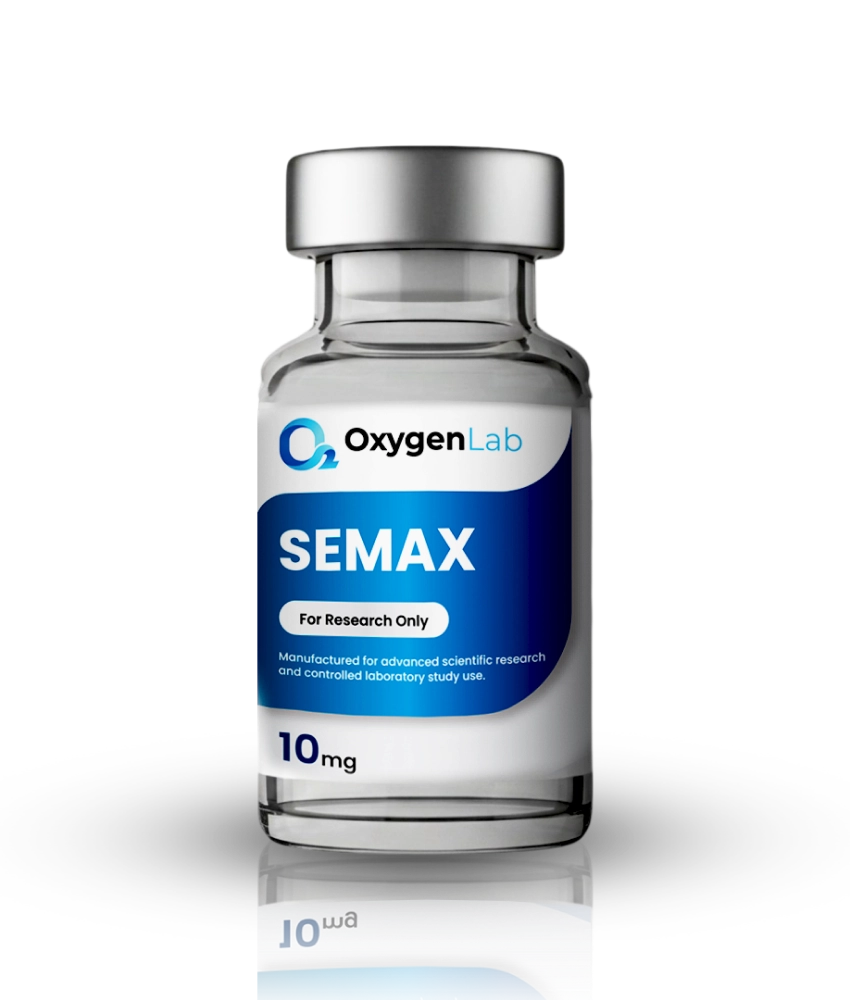

In modern scientific research, peptide purity and quality control are two of the most critical factors that directly influence the accuracy, reliability, and reproducibility of experimental results. As peptides are widely used in biotechnology, immunology, cell signaling, and drug development studies, even minor variations in quality can significantly affect outcomes.
This is why laboratories and researchers prioritize high-purity research peptides, supported by strict testing methods such as HPLC and verified Certificates of Analysis (COA).
What Does Peptide Purity Actually Mean?
Peptide purity refers to the percentage of the target peptide present in a sample compared to all other substances. These impurities may include truncated sequences, incomplete synthesis products, oxidation byproducts, or residual chemicals from the manufacturing process.
Most research-grade peptides typically range from 95% to 99% purity, with premium-quality peptides often exceeding 98% purity. The purity is usually measured using High-Performance Liquid Chromatography (HPLC), which separates and quantifies different components in the sample based on their chemical behavior.
A peptide labeled as 98% pure means that 98% of the material is the intended peptide, while the remaining 2% consists of impurities that may or may not affect research outcomes depending on the application.
Why Purity Is So Important in Research
Even small levels of impurities can significantly impact experimental results. In sensitive biological systems, peptides interact with receptors, proteins, and cellular pathways. Any unwanted compounds can interfere with these interactions and lead to inconsistent or misleading data.
Key reasons purity matters include:
- Reproducibility of results: Low-quality peptides may produce different outcomes in repeated experiments
- Accurate biological response: Impurities can alter binding activity or cellular signaling
- Reduced experimental errors: High-purity peptides minimize unwanted side effects in assays
- Reliable data interpretation: Researchers can trust that results are due to the intended compound
Studies show that even a small percentage of impurities may contain structurally similar but functionally different peptide fragments, which can interfere with biological assays.
The Role of Quality Control in Peptide Manufacturing
Quality control (QC) ensures that every batch of peptides meets strict standards before being released for research use. It involves multiple analytical testing methods designed to verify identity, purity, and safety.
1. HPLC Testing (High-Performance Liquid Chromatography)
HPLC is the most widely used method for peptide analysis. It measures purity by separating compounds in a mixture and producing a chromatogram that displays peaks for each component.
The main peak represents the target peptide, while smaller peaks indicate impurities. A high-quality peptide will show a dominant main peak with minimal additional peaks.
2. Mass Spectrometry (MS)
Mass spectrometry confirms the molecular identity of the peptide. While HPLC measures purity, MS ensures that the peptide is structurally correct.
3. Certificate of Analysis (COA)
A COA is a critical document that provides detailed test results for each batch. It typically includes:
- HPLC purity percentage
- Mass spectrometry confirmation
- Batch number and traceability
- Testing conditions and lab information
Without a valid COA, peptide quality cannot be independently verified.
Common Impurities Found in Peptides
Even in high-quality synthesis, small impurities can occur. These may include:
- Truncated sequences (incomplete peptide chains)
- Deletion impurities (missing amino acids)
- Oxidation products (chemical changes during storage)
- Residual solvents or reagents
- Misfolded or altered structures
These impurities are usually present in very small amounts but can still influence experimental behavior, especially in sensitive research applications.
Why High Purity Improves Research Reliability
Using high-purity peptides ensures that experiments are based on a single, well-defined compound. This improves:
- Consistency across multiple experiments
- Accuracy in dose-response relationships
- Confidence in biological activity results
- Validity of published research findings
For this reason, most research laboratories prefer peptides with ≥98% purity, especially in advanced biological or pharmacological studies.
The Importance of Third-Party Testing
One of the most important aspects of quality control is independent verification. Third-party testing ensures that results are unbiased and not influenced by manufacturers.
Reliable suppliers often provide:
- Independent lab COAs
- Batch-specific testing results
- Full chromatogram data
- Identity confirmation through MS
This transparency builds trust and ensures scientific integrity.
Conclusion
In peptide research, purity and quality control are not optional; they are essential. Even small variations in peptide quality can affect experimental outcomes, data accuracy, and reproducibility.
By ensuring high HPLC purity, proper mass spectrometry validation, and reliable Certificates of Analysis, researchers can confidently conduct experiments that yield meaningful, trustworthy results.
For laboratories and researchers, investing in high-quality peptides is ultimately an investment in scientific accuracy.
FAQs
1. What is considered high purity for research peptides?
Most research-grade peptides should have at least 95% purity, while premium peptides typically exceed 98% purity.
2. How is peptide purity measured?
Peptide purity is usually measured using HPLC (High-Performance Liquid Chromatography), which separates and quantifies components in the sample.
3. Why is a Certificate of Analysis important?
A COA provides verified lab data, including purity, identity, and batch details, ensuring the peptide matches research standards.
4. Can low-purity peptides affect research results?
Yes, impurities can interfere with biological activity and lead to inaccurate or inconsistent experimental outcomes.
5. What tests are included in peptide quality control?
Common tests include HPLC purity testing, mass spectrometry for identity confirmation, and third-party validation reports.
Lab tool: Working out solution concentration? Try the free OxygenLab Peptide Calculator — enter vial mass and diluent volume to get mg/mL, µg/mL and molarity.