
HPLC vs LC-MS for Peptides: What Each Test Proves
Certificates of analysis for research peptides often list two results: an HPLC purity figure and an LC-MS identity result. They sound similar, since both start with liquid chromatography, but they answer different questions. HPLC asks how much of the sample is the main component. LC-MS asks whether that component has the right mass. This guide […]
How to Read a Peptide Lot Certificate: Matching and Verifying It
A certificate of analysis tells you what a laboratory found when it tested a sample. A peptide lot certificate goes one step further: it ties those results to a specific production lot, so you can connect the data to the vial on your bench. That link is only useful if you check it. This guide […]
Peptide Mass Spectrometry: How Identity Testing Works on a COA
A certificate of analysis for a research peptide usually reports two results side by side: an HPLC purity figure and a mass spectrometry (MS) result. They answer different questions. HPLC asks how much of the material is one main component. Mass spectrometry asks what that component is, by measuring its molecular mass and comparing it […]
Acetate vs TFA Salt in Research Peptides: What the Counterion Changes
A synthetic peptide is almost never supplied as the bare molecule. Charged side chains and the free N-terminus pair up with small negatively charged ions, called counterions, and those ions stay in the vial with the peptide after it is dried. The two counterions researchers see most often on a product label or certificate are […]
How to Evaluate a Research Peptide Vendor: COA, HPLC and MS Checklist
A practical checklist for evaluating a research peptide vendor: what a real COA contains, how to read HPLC and mass spec data, and red flags to watch for.
Lyophilized vs Liquid Peptides: Stability Compared
Lyophilized vs liquid peptides: why freeze-dried powder outlasts solutions, the degradation routes water opens up, and how labs verify a peptide is still intact.
How Third-Party Peptide Testing Works

What happens when a peptide batch goes to an independent lab: sampling, the tests run, what accreditation means and how to verify a report.
What Does HPLC Purity Mean for Research Peptides?

How HPLC purity is measured, what a 98% or 99% result actually means, and why purity and net peptide content are different numbers.
How to Read a Peptide Certificate of Analysis (COA)

A practical, line-by-line guide to what a peptide certificate of analysis shows, what each test proves, and the red flags to check before using a batch in the lab.
Why Purity and Quality Control Matter in Research Peptides
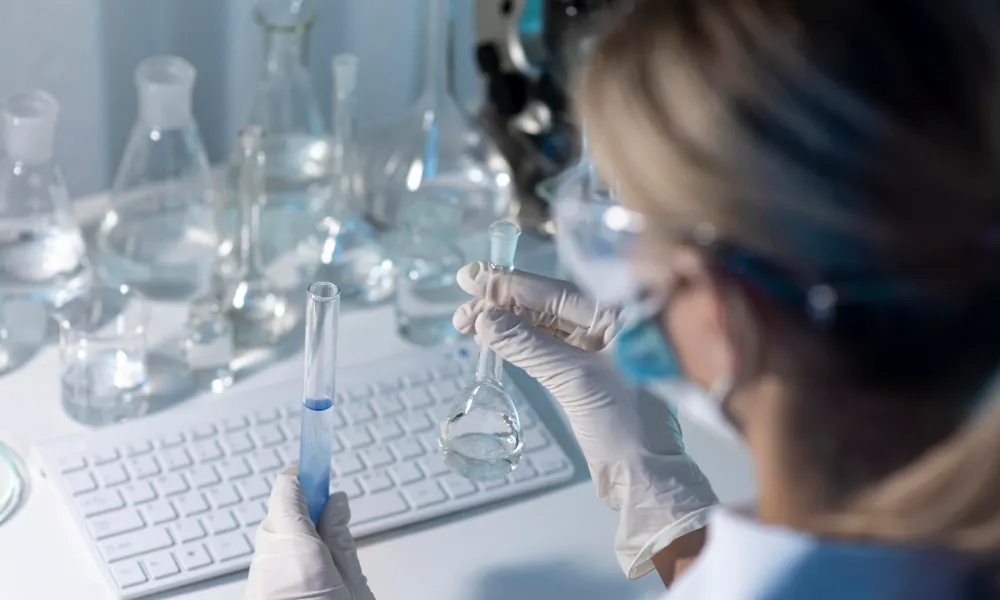
In modern scientific research, peptide purity and quality control are two of the most critical factors that directly influence the accuracy, reliability, and reproducibility of experimental results. As peptides are widely used in biotechnology, immunology, cell signaling, and drug development studies, even minor variations in quality can significantly affect outcomes. This is why laboratories and researchers […]